
Studying
Date:April 7, 2026
Academic Structure Cambridge School of Visual & Performing Arts welcomes students from age 16 and structures their creative education across four progressive levels. The journey begins with pre-university qualifications—Extended Diploma spans two years with a general first year before students choose among eight specializations, while Foundation Diploma offers immediate focus on a chosen discipline. These …
Academic Structure
Cambridge School of Visual & Performing Arts welcomes students from age 16 and structures their creative education across four progressive levels. The journey begins with pre-university qualifications—Extended Diploma spans two years with a general first year before students choose among eight specializations, while Foundation Diploma offers immediate focus on a chosen discipline. These naturally lead to three-year BA (Hons) degrees, followed by postgraduate options including Graduate Diploma, Pre-Master’s, and MA programs. What makes this progression particularly valuable is its built-in pathway: completing Extended or Foundation guarantees a BA place without additional exams, and those needing extra preparation can integrate a Foundation year into their undergraduate studies.
Training Directions
The school addresses contemporary creative practice through several interconnected fields. Visual arts encompass animation and filmmaking, fine art and photography, graphic design and illustration. Design programs include architecture and interior design alongside 3D design, game design, and visual communications. Fashion splits into two tracks—design itself and fashion communications, which covers styling, branding, and journalism within the industry. Performing arts in drama and music require auditions rather than portfolios. There’s also an interdisciplinary program in creative intelligence and innovation that merges new media, creative technologies, and experimental design. Faculty members bring substantial professional experience, which shapes courses to reflect current market realities.
Cambridge School of Visual & Performing Arts Methods
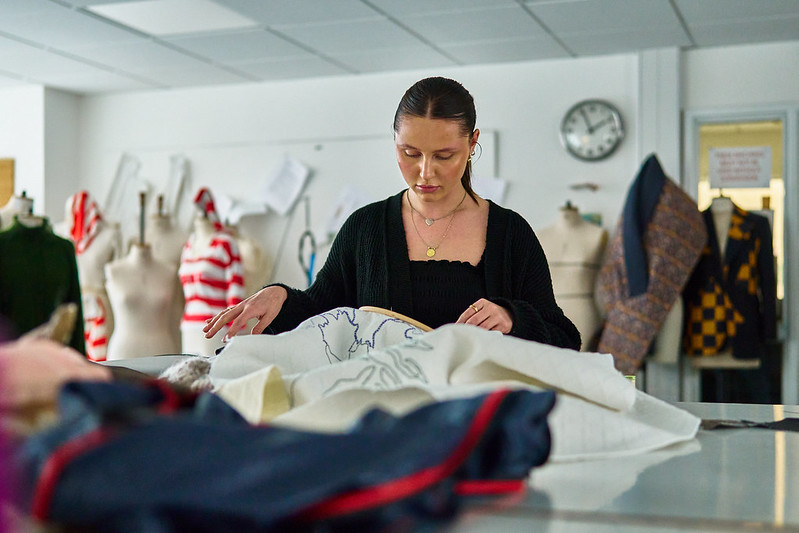
Rather than applying uniform approaches across its twelve creative programs, the institution centers on developing each student’s distinct voice and adapting coursework to their specific interests. This happens through cultivating critical thinking, research methodologies, and trend analysis while students simultaneously work on real company projects, establishing connections with Britain’s creative sector before graduation. Studios replicate professional working environments with current industry-standard equipment and software, which means graduates enter the workforce already familiar with what they’ll encounter. The combination of conceptual rigor and hands-on practice prepares them for actual professional demands.
Personal Support
Each student receives a personal tutor from the permanent teaching staff—typically their course director—who tracks academic progress, identifies individual needs, and provides guidance throughout their studies while connecting them with relevant school specialists when needed. This creates sustained relationships between faculty and students through regular meetings timed to key academic moments, with frequency and duration tailored individually. The school maintains continuity by keeping the same tutor with each student across their entire program, allowing mentors to develop their capacity for self-reflection and ability to effectively incorporate feedback.

Click this button to go to the main page of the educational institution.
Videos
Videos not found.
Want a Specific Cost Estimate?
Contact us to receive a detailed cost estimate and additional expenses tailored just for you.
Submit Your RequestSubmit Your Application
Fill out the form and receive all the necessary information.
Submit application