
Engineering
Date:January 3, 2026
Why Engineering at Hull Hull’s Engineering faculty pioneered British higher education by securing the first Institution of Engineering and Technology accreditation, which grants graduates direct access to Chartered Engineer status. Since the campus sits within a region dense with industry—BP, Total, Phillips 66, Reckitt, and Siemens—academic work naturally flows into dialogue with these corporations through …
Why Engineering at Hull
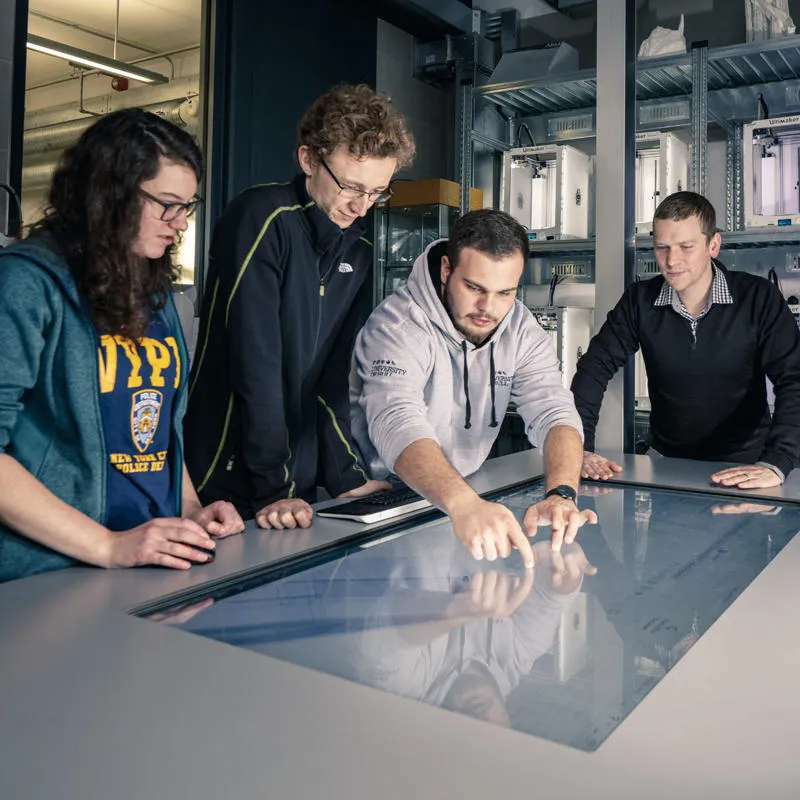
Hull’s Engineering faculty pioneered British higher education by securing the first Institution of Engineering and Technology accreditation, which grants graduates direct access to Chartered Engineer status. Since the campus sits within a region dense with industry—BP, Total, Phillips 66, Reckitt, and Siemens—academic work naturally flows into dialogue with these corporations through site visits, live projects, and placements that transform theory into practice while building the professional relationships employers seek.
Civil Engineering
The BEng/MEng Civil Engineering programme combines traditional disciplines—structures, geotechnics, hydraulics—with contemporary methods like Building Information Modelling to prepare specialists for sustainable infrastructure challenges. Students engage with acoustic wind tunnels, materials labs, robotics centres, and virtual reality simulations while partnerships with Spencer Group, ARUP, Mott MacDonald, and Siemens provide real-world cases. Graduates emerge understanding how climate change and urbanization reshape design priorities.
Electrical and Electronic Engineering
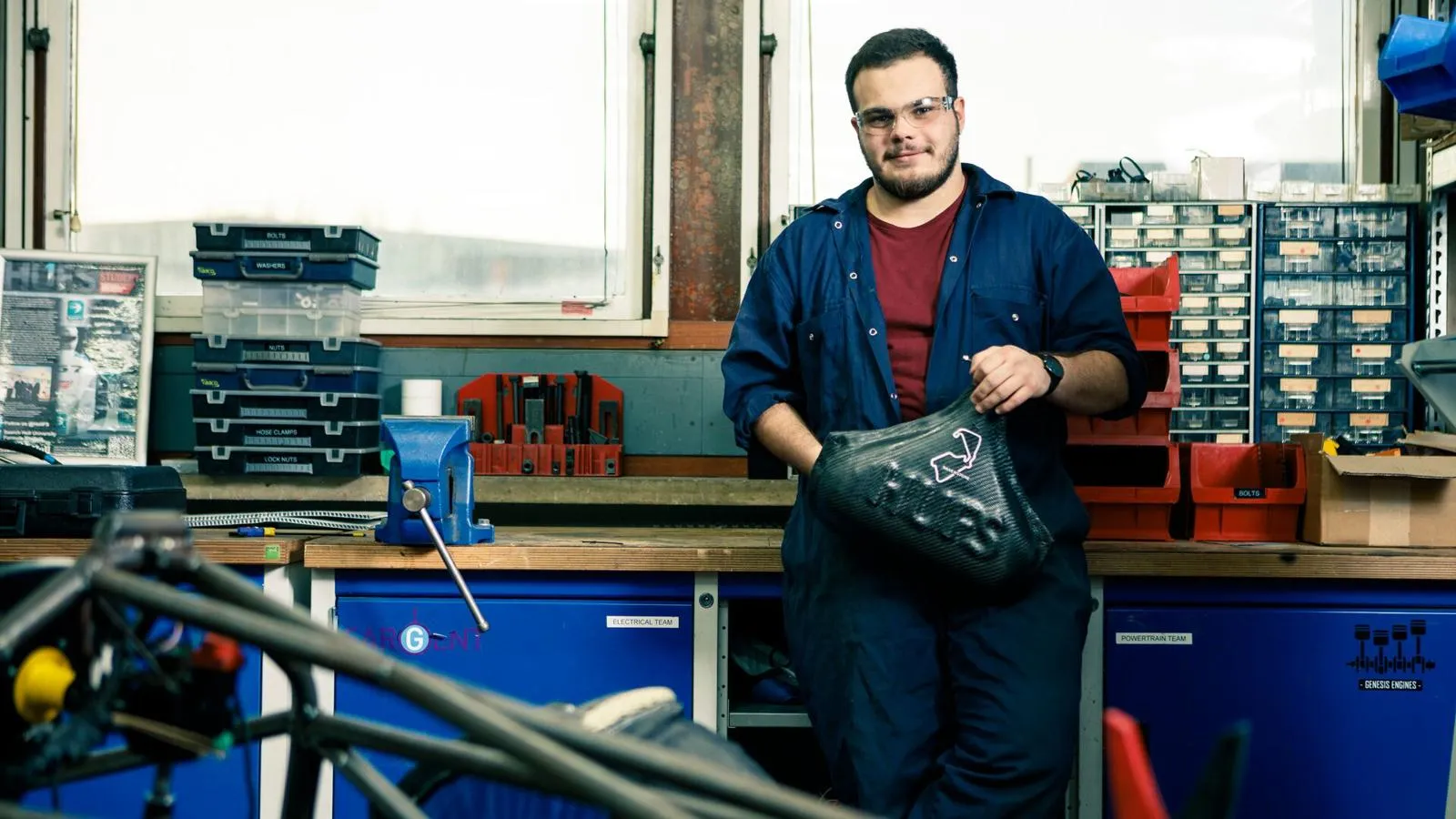
Through BEng/MEng Electrical and Electronic Engineering, participants explore smart energy systems, instrumentation, process control, communications, and remote sensing across embedded systems and digital manufacturing facilities where they prototype their designs. Industry placements have become standard, equipping graduates with analysis, engineering, and commercial thinking. Beyond coursework, the Robotics Society and Hull Electric Racing Team—which competes at Silverstone—offer hands-on experience, while flexible programme structures accommodate three-, four-, or five-year pathways.
Mechanical Engineering at University of Hull
BEng/MEng Mechanical Engineering addresses challenges spanning manufacturing, healthcare, automotive, aerospace, and construction through project-based modules in CAD, programming, control systems, and thermodynamics. The Global Challenge component assembles teams around design problems requiring tested prototypes. Placements with Airbus, Virgin Media, IBM, BMW Group, and Smith & Nephew provide practical exposure, contributing to Hull’s 8th place ranking among 75 British universities for graduate prospects—evidence that blending theory with industry partnerships delivers results.
Advanced Chemical Engineering
MSc Advanced Chemical Engineering prepares specialists to tackle global challenges—from fossil fuel alternatives to waste processing and water purification—through deep study of process safety, nanomaterials, renewable energy generation, and modelling with Aspen Hysys, ANSYS, and COMSOL. A virtual control room trains participants in chemical process management, while proximity to regional industry enables site visits and safety training from practitioners. The culminating research project, supervised by faculty, applies acquired expertise to specific engineering problems.
Energy Engineering
MSc Energy Engineering attracts those pursuing sustainable energy careers within Britain’s “energy estuary”—a region historically central to power production, storage, and distribution. The interdisciplinary programme covers sector economics, impact assessment, and socio-economic analysis of technical solutions across green technologies and renewable sources. Professional software develops digital capabilities, while an independent research project addresses complex challenges. Open to graduates from chemical, electrical, mechanical, and related fields, it prepares participants for the energy transition’s frontlines.
Click this button to go to the main page of the educational institution.
Videos
Want a Specific Cost Estimate?
Contact us to receive a detailed cost estimate and additional expenses tailored just for you.
Submit Your RequestSubmit Your Application
Fill out the form and receive all the necessary information.
Submit application