
Studying
Date:April 21, 2026
Three Tiers American School of Madrid organizes learning across three age-based divisions: Lower (3–11), Middle (11–14), and Upper (14–18). Each follows its own developmental philosophy, allowing students to progress at their natural pace. Through 10th grade, they study under the American curriculum before earning a US High School Diploma—with options to add International Baccalaureate or …
Three Tiers
American School of Madrid organizes learning across three age-based divisions: Lower (3–11), Middle (11–14), and Upper (14–18). Each follows its own developmental philosophy, allowing students to progress at their natural pace. Through 10th grade, they study under the American curriculum before earning a US High School Diploma—with options to add International Baccalaureate or Spanish Bachillerato credentials.
Tiers and programs:
- Lower School (3–11 years) — American curriculum
- Middle School (11–14 years) — American curriculum
- Upper School (14–18 years) — US High School Diploma, IB Diploma, Bachillerato
How Learning Works at American School of Madrid
Rather than memorizing facts, students build deeper competencies—critical thinking, analysis, argumentation, creative problem-solving. Teachers frame essential questions, then guide learners toward their own discoveries. Since every student brings different interests and readiness levels, assignments adapt to individual styles and strengths, which means no one gets forced into a standard template.
Student Support
For those needing help with English, reading, math, or study organization, specialist teams develop personalized plans while coordinating closely with teachers, parents, and counselors. The school openly acknowledges its limits, though: during middle and upper school admissions, staff assess whether they can provide the necessary level of support—because some students with significant challenges may not thrive here, given available resources.
Modern Infrastructure
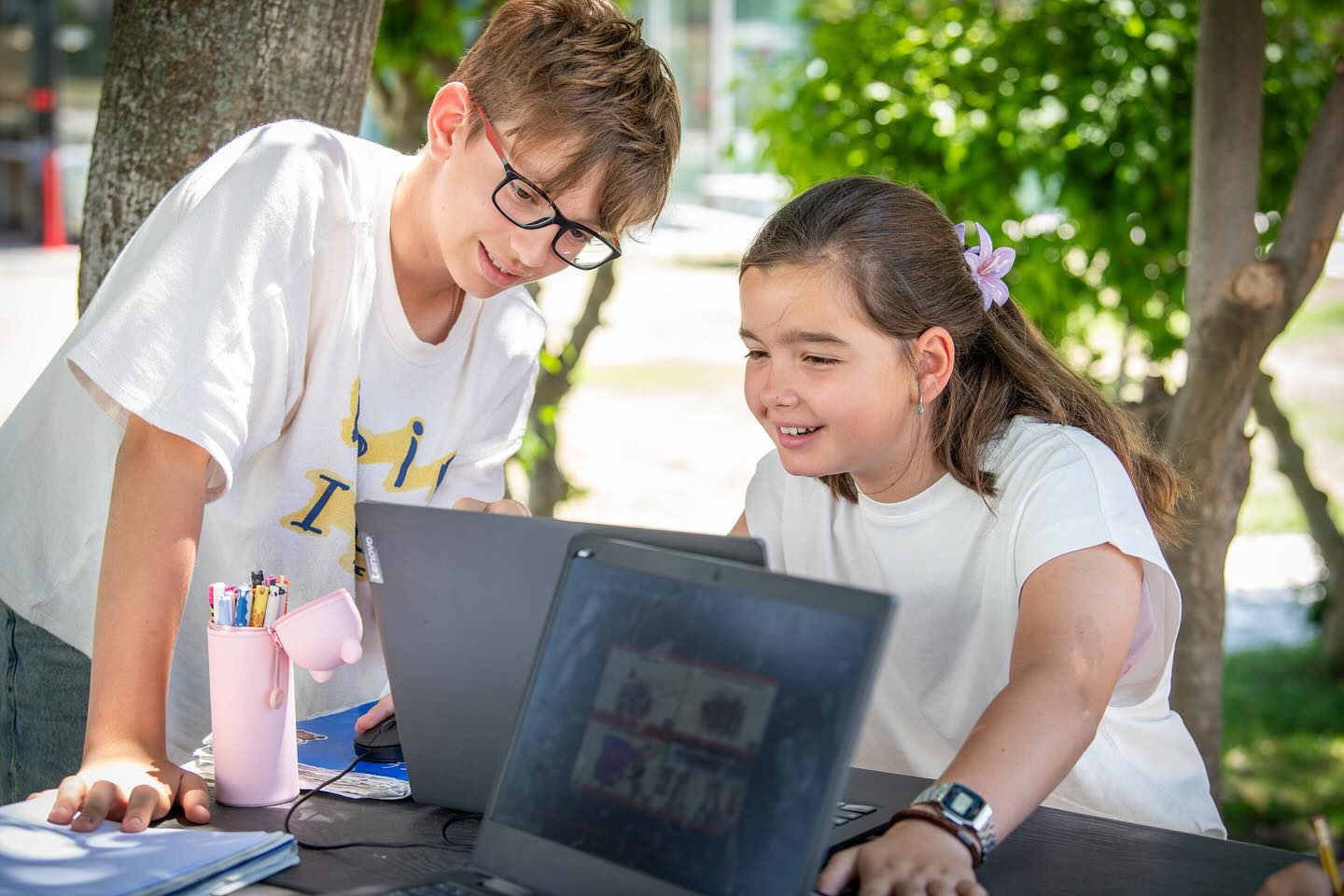
The campus features an Innovation Hub with a robotics lab and Da Vinci Space, where upper schoolers tackle engineering design, programming, and prototype development. Each division also has its own Learning Commons—collaborative zones for group work, research, and informal gatherings. Digital tools weave naturally into daily learning, from online platforms to cloud services and specialized software for projects and data analysis, supporting discovery rather than replacing hands-on exploration.
Click this button to go to the main page of the educational institution.
Videos
Videos not found.
Want a Specific Cost Estimate?
Contact us to receive a detailed cost estimate and additional expenses tailored just for you.
Submit Your RequestSubmit Your Application
Fill out the form and receive all the necessary information.
Submit application