




Columbia University
At Columbia University, faculty and students engage in research across a wide range of fields, from astrophysics to neuroscience. Its reputation draws scholars pursuing work that requires substantial resources and collaborative networks, creating an environment where inquiry extends across traditional departmental boundaries. This concentration of expertise establishes conditions where interdisciplinary projects can access the specialized knowledge and infrastructure they require.
Student and graduate communities form an academic ecosystem emphasizing both knowledge acquisition and intellectual discourse. The structure encourages personal development alongside disciplinary training, recognizing that effective scholarship requires communication skills and ethical grounding beyond technical proficiency. This balance reflects institutional commitment to cultivating capabilities that extend into professional and civic life after graduation.
New York City Fusion
Operating within New York City places the university amid cultural institutions, industries, and populations that inform research questions and provide contexts for applied work. Faculty and students access archives, organizations, and communities that might serve as research sites or collaborative partners, while the city’s concentration of professionals across various fields creates networking opportunities. This urban setting influences how academic work connects with practitioners addressing real-world problems requiring both scholarly rigor and practical implementation.
Diversity and Global Engagement
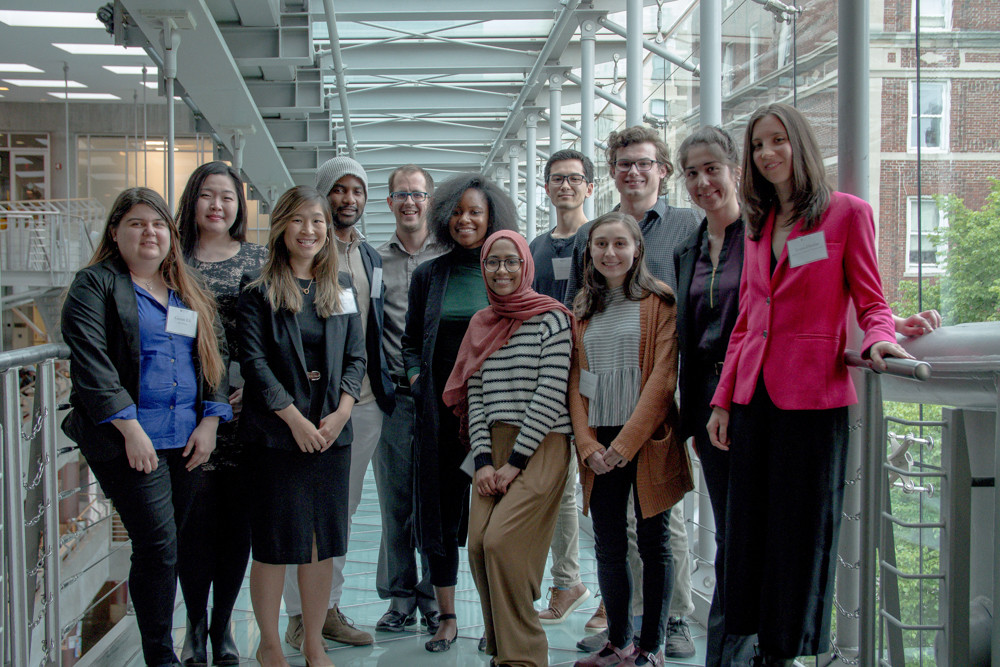
Faculty, students, and staff come from varied backgrounds, creating an institutional culture where different perspectives shape how problems get framed and investigated. This diversity extends internationally through partnerships spanning continents, reflecting commitment to addressing challenges requiring coordinated responses across national contexts. These global connections facilitate research examining how similar issues manifest differently depending on regional circumstances, while international collaborations often produce insights unavailable through single-country studies.