
Engineering
Date:December 22, 2025
Engineering Columbia Engineering’s curriculum interweaves technical disciplines with humanities coursework, extending beyond lectures into faculty-guided research and collaborative projects. Students develop teamwork, leadership, and problem-solving capabilities while working through assignments that require both analytical rigor and communication skills. Professor Helen Lu describes this as a holistic experience where first- and second-year classes immerse participants in …
Engineering
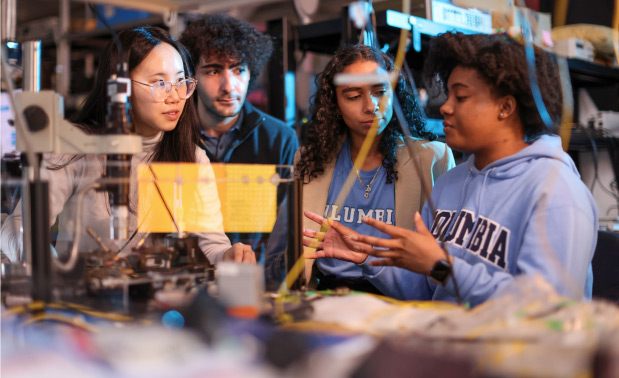
Columbia Engineering’s curriculum interweaves technical disciplines with humanities coursework, extending beyond lectures into faculty-guided research and collaborative projects. Students develop teamwork, leadership, and problem-solving capabilities while working through assignments that require both analytical rigor and communication skills. Professor Helen Lu describes this as a holistic experience where first- and second-year classes immerse participants in engineering, natural sciences, mathematics, and liberal arts—with the Columbia Core Curriculum providing intellectual foundations that shape how they approach technical challenges throughout their education.
Courses and Education at Columbia University
The curriculum balances technical depth with breadth across disciplines, offering professional-level courses that remain accessible through minimal prerequisites. Students can earn up to 16 credits via Advanced Placement and International Baccalaureate programs, allowing them to tailor their path according to interests and strengths. This flexibility means they can explore specialized areas while maintaining the comprehensive grounding that prepares them for work requiring both domain expertise and interdisciplinary thinking.
Research and Support
Research engagement begins immediately upon arrival, with collaborative projects available from the first semester. Academic advisors and counseling deans provide guidance on course selection and internship opportunities before classes start, helping students navigate options and identify experiences that align with their developing interests. This early support structure ensures they can make informed decisions about how to structure their education.
Study Abroad and Internships
Beyond classroom work, the program emphasizes experiential learning through study abroad opportunities spanning over 100 cities and internships organized by the Center for Career Education. These experiences expose students to different cultural contexts and professional environments, developing interpersonal skills and global perspectives that complement their technical training. International placements particularly help them understand how engineering practices and priorities vary across different institutional and regulatory contexts.
Click this button to go to the main page of the educational institution.
Videos
Videos not found.
Want a Specific Cost Estimate?
Contact us to receive a detailed cost estimate and additional expenses tailored just for you.
Submit Your RequestSubmit Your Application
Fill out the form and receive all the necessary information.
Submit application