
Pedagogy
Date:December 22, 2025
Arts and Art Education Program At Teachers College, Columbia’s arts and art education track merges studio practice with pedagogical training, preparing graduates for roles spanning K-12 classrooms, museums, and community centers. Building on decades of established teaching tradition, this approach develops both creative capabilities and the instructional insight needed to help others discover their artistic …
Arts and Art Education Program
At Teachers College, Columbia’s arts and art education track merges studio practice with pedagogical training, preparing graduates for roles spanning K-12 classrooms, museums, and community centers. Building on decades of established teaching tradition, this approach develops both creative capabilities and the instructional insight needed to help others discover their artistic voice—a dual competence that allows alumni to move fluidly between making their own work and guiding emerging artists through similar discoveries.
Embodying Creative Potential
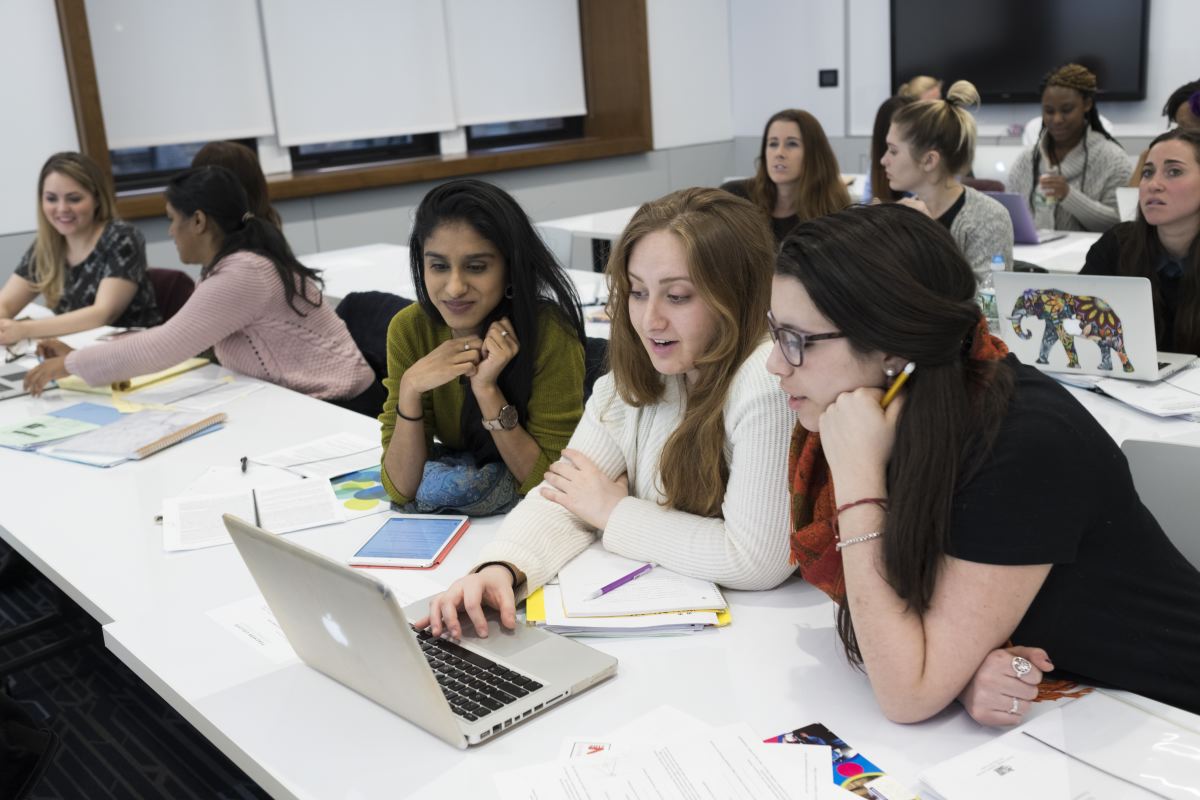
Studios dedicated to drawing, painting, sculpture, and new media anchor the experience, offering spaces where technical skill develops through sustained engagement with materials. Since studio work integrates across all degree paths, participants spend significant time refining their own practice while learning how to facilitate similar growth in others. This balance ensures they understand creative processes from direct experience, which proves essential when later designing exercises that unlock potential rather than merely demonstrating techniques.
Academy and Programs at Columbia University
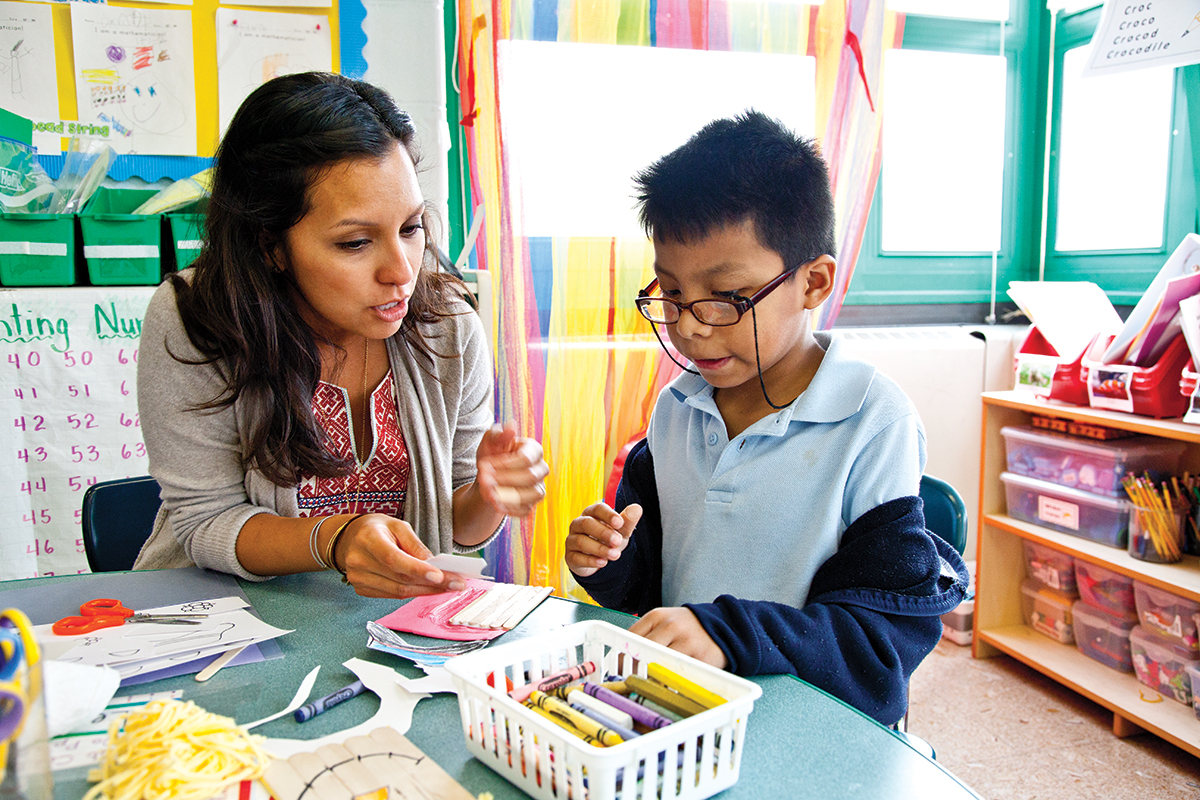
The curriculum emphasizes adaptability, recognizing that effective teaching shifts depending on context—whether someone’s working with elementary students or adult learners, within well-resourced schools or community spaces operating on modest budgets. Beyond technical proficiency, coursework foregrounds how visual arts cultivate critical thinking and cultural literacy alongside brushwork. Graduates leave equipped to design age-appropriate experiences across diverse environments, approaching each setting with strategies suited to its particular constraints and possibilities.
Fostering Inclusivity
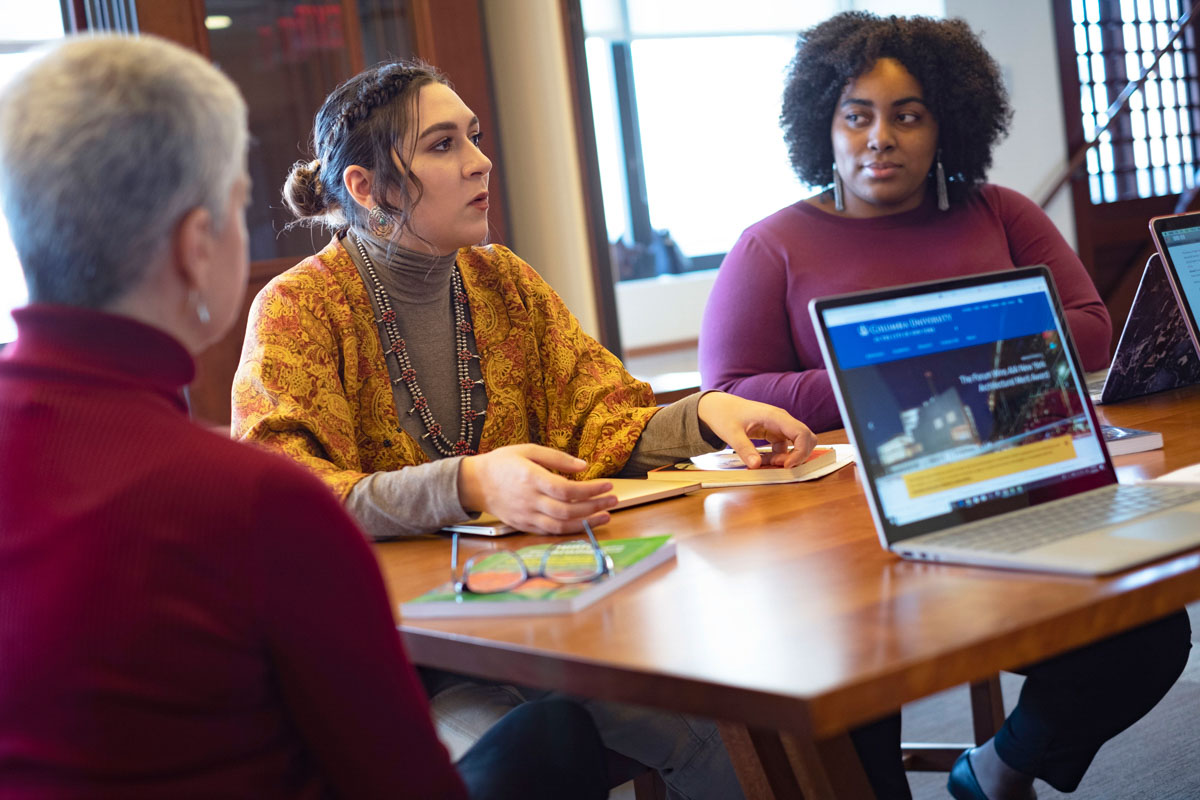
Diversity shapes both coursework and studio culture here, particularly through efforts supporting underrepresented voices and validating artistic traditions that dominant narratives often overlook. When pedagogical methods acknowledge varied creative expressions rather than privileging a narrow canon, they create space for intercultural exchange—helping people encounter perspectives that challenge assumptions about what art should accomplish. This commitment enriches the educational experience by grounding it in multiple worldviews rather than a single aesthetic framework, ultimately producing more thoughtful practitioners.
Click this button to go to the main page of the educational institution.
Videos
Videos not found.
Want a Specific Cost Estimate?
Contact us to receive a detailed cost estimate and additional expenses tailored just for you.
Submit Your RequestSubmit Your Application
Fill out the form and receive all the necessary information.
Submit application