
Engineering
Date:January 6, 2026
Why Study Engineering at Wolverhampton Engineering programs here connect students with real industry through equipment that leading companies actually use. The university recently completed its Chemical Engineering Design Centre and a specialized lab where students learn industry software and technologies. Classes also take place in the £25 million Rosalind Franklin building, which serves as a …
Why Study Engineering at Wolverhampton
Engineering programs here connect students with real industry through equipment that leading companies actually use. The university recently completed its Chemical Engineering Design Centre and a specialized lab where students learn industry software and technologies. Classes also take place in the £25 million Rosalind Franklin building, which serves as a regional hub for advanced scientific education.
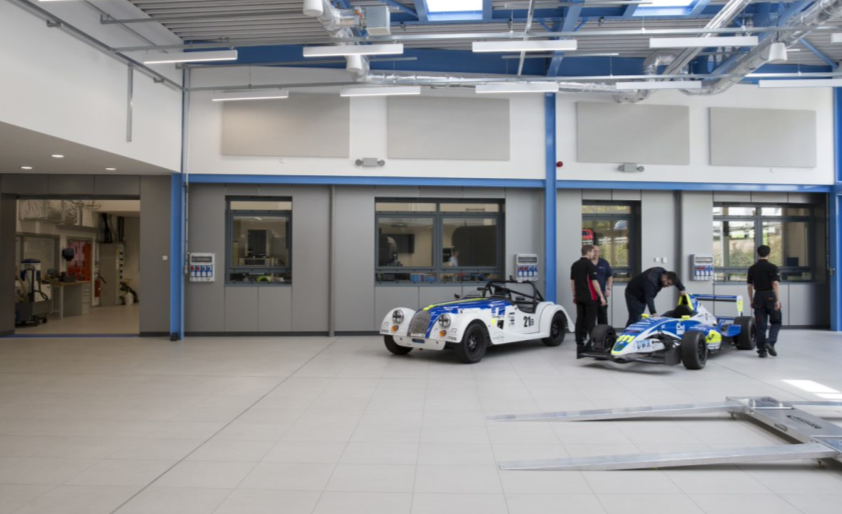
Professional accreditation from the Institution of Mechanical Engineers (IMechE) and Institution of Chemical Engineering (IChemE) ensures programs meet industry standards, while students can gain hands-on experience by joining the University of Wolverhampton racing team or collaborating with the legendary Morgan Motor Company.
Aerospace Engineering
The BEng (Hons) Aerospace Engineering course develops professional and interpersonal skills needed for aviation careers. First-year students tackle engineering mathematics, CAD, experimental methods, and aerospace principles while working in interdisciplinary teams and building prototypes. The second year deepens this foundation through team projects that explore professional responsibility, with an optional year-long industry placement.
Experienced instructors who’ve worked in aviation share their expertise during the final stage, helping students shape their careers. The program incorporates SolidWorks, Matlab, and cutting-edge simulation software, while testing in the university’s own wind tunnel lets students analyze how their designs perform under real conditions.
Chemical Engineering
The BEng (Hons) Chemical Engineering program was developed with IChemE, leading UK universities, and global companies specifically for the next generation of engineers. It unfolds in three parts: foundational sciences and mathematics, deep understanding of engineering problem-solving methods, and finally independent process and production design.
This approach helps students grasp how chemical engineers create products and transform raw materials efficiently and sustainably, while also helping them determine what kind of specialist they want to become and how to reach their goals in this field.
Mechanical Engineering at University of Wolverhampton
The BEng (Hons) Mechanical Engineering program, accredited by IMechE, combines theoretical knowledge with practical application. Students explore mechanics, materials science, fluid dynamics, thermodynamics, and control systems while working in modern project spaces on lab assignments, design work, and simulations.
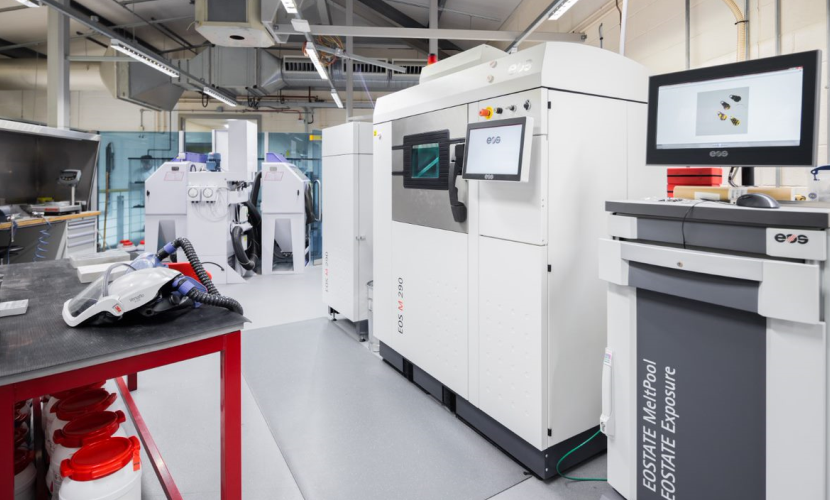
What sets this course apart is the chance to gain experience with the UWR university racing team and access to open design spaces. It also builds specialized skills in advanced manufacturing (Additive Layer Manufacturing, high-speed machining), engineering design using SolidWorks, and numerical analysis for structural, thermal, and fluid dynamics modeling.
Civil Engineering
The MSc Civil Engineering targets graduates with an IEng diploma who want to advance to Chartered Engineer (CEng) status. Led by active researchers and chartered specialists in structural engineering, it blends technical modules with professional skill development.
Students tackle individual research and group projects that address current industry challenges requiring innovative solutions. Modules cover building information modeling, advanced structural and geotechnical analysis, foundation engineering, and project financial management. The course holds technical accreditation from the Joint Board of Moderators, which includes ICE, IStructE, IHE, CIHT, and PWI.
Master’s in Mechanical Engineering
The MSc Mechanical Engineering focuses on digital manufacturing and Industry 4.0 technologies. Students master high-speed CNC machining, CAD/CAM systems, and additive manufacturing while optimizing process performance and sustainability. The course also covers design optimization and simulation, where engineers work with generative design, cloud computing, and digital twins.
The Industry 4.0 module presents students with open-ended challenges in digitalization, data collection, and visualization that prepare them for modern manufacturing demands. The program explores metal additive printing (L-PBF), enabling functional parts with minimal waste. A year-long dissertation concludes the study, letting students apply their knowledge to topics aligned with their career ambitions.
Click this button to go to the main page of the educational institution.
Videos
Videos not found.
Want a Specific Cost Estimate?
Contact us to receive a detailed cost estimate and additional expenses tailored just for you.
Submit Your RequestSubmit Your Application
Fill out the form and receive all the necessary information.
Submit application